 SOLETECH
Start with the appliances you need during an outage, then check usable battery capacity and inverter compatibility.
Which appliances need to stay on?
Picture a power cut in the evening. Is it enough to keep the fridge, a few lights and the router running, or do you also need air conditioning? List the loads and how long they need power. A 300 W average load over four hours, for example, uses 1.2 kWh at the appliances before conversion losses and reserve capacity.
What to check before buying
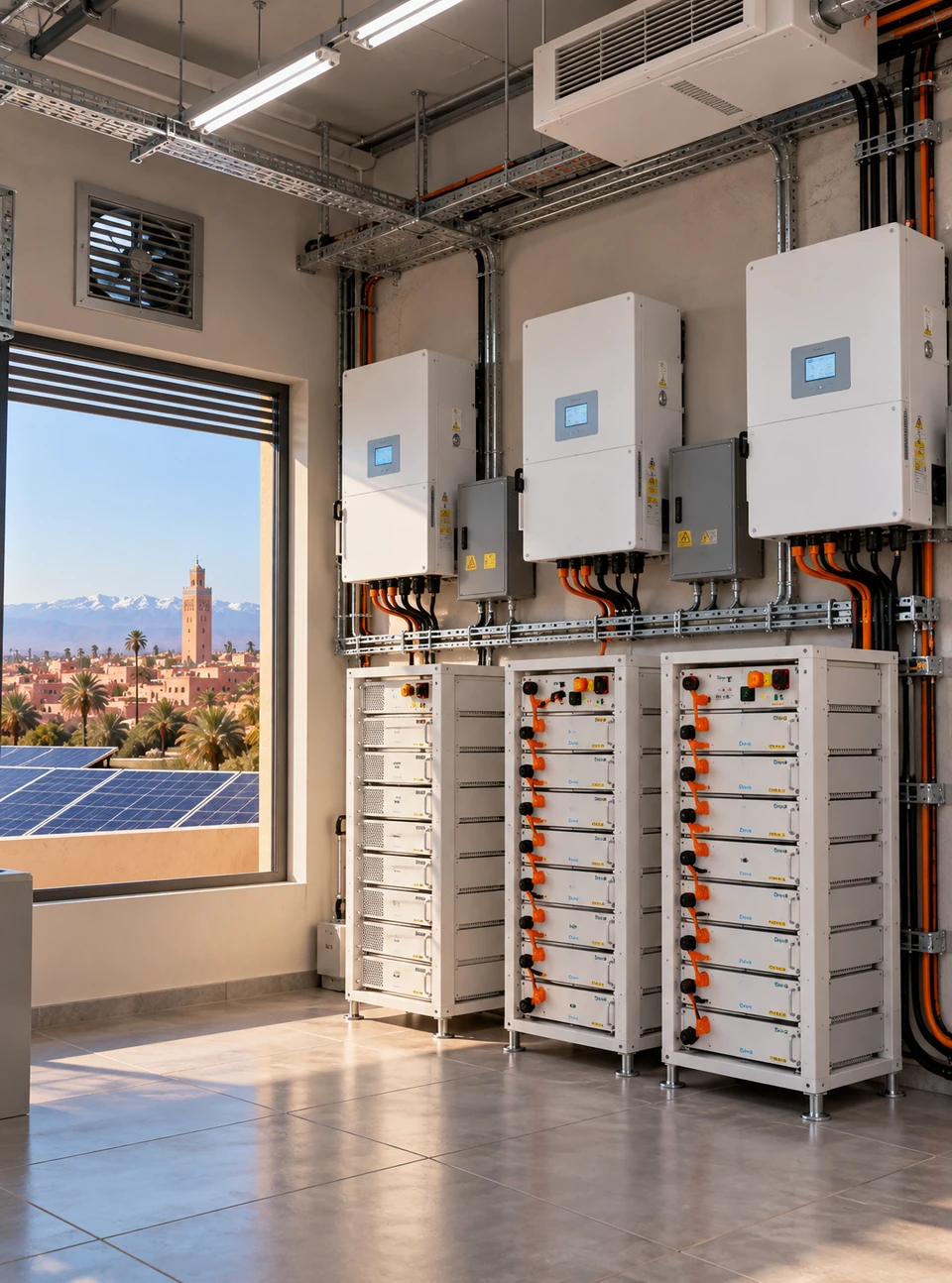
Ask about usable energy, output when several loads run together, and whether the battery management system works with your inverter model. If you already have a grid-tied inverter, check whether it supports backup and which additional equipment it needs. Share its model number and your load list when requesting a quote.
Check runtime and starting power separately
A battery may hold enough energy for several hours of lighting and refrigeration. Check that the system can also start the fridge compressor. List the appliances that could run at the same time and ask the supplier to confirm the continuous and peak output of the proposed system.